Tagalog YouTube Tutorials Are Where Most Filipino Traders Actually Start
For a large number of Filipino traders, formal courses, economics degrees, and licensed financial advisers had little to do with how their trading education actually began. Instead, it started with a Tagalog-language YouTube video watched on a slow evening, someone doing a screen recording and talking through how to trade forex in casual, code-switched language that felt more approachable than anything found in formal English financial textbooks.
Much of the reason this particular medium became the default entry point, ahead of more traditional educational resources theoretically available, comes down to language accessibility. Someone searching in English alone is bombarded with content that assumes baseline financial literacy or vocabulary that feels foreign even to college-educated Filipinos unfamiliar with trading terminology specifically. Tagalog tutorials skip this extra step, explaining concepts like leverage or stop losses through everyday analogies and mixed-language explanations that feel considerably more approachable than formal financial education content originally built for different audiences.
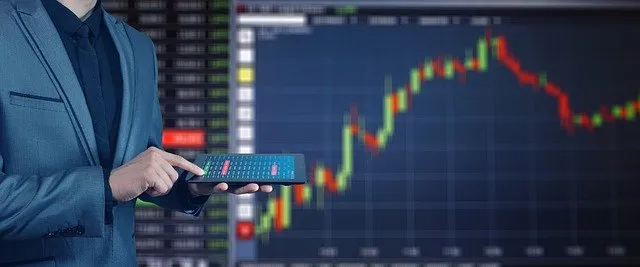
Image Source: Pixabay
Production quality within this content ecosystem varies widely, ranging from well-produced channels with real editing and professional presentation to shaky phone recordings made from someone’s bedroom with little more than genuine enthusiasm for the subject. Polish and production value do not always correspond to actual trading competency or teaching ability among these self-taught creators. Beginners exploring this material for the first time often cannot immediately tell the difference between creators offering genuinely sound education and those repackaging questionable advice with confident delivery.
Community building occurs naturally around certain popular channels, with comment sections becoming informal discussion spaces where viewers ask follow-up questions and sometimes receive responses directly from content creators themselves, a contrast to the anonymous customer service representatives typical of distant brokerages. Someone genuinely confused about a concept after watching a tutorial on how to trade forex can often get more useful clarification by scrolling through comments from other confused beginners than by contacting formal customer support through whatever broker they eventually choose.
Monetization incentives often shape this content in ways viewers may not immediately notice, since many creators earn money through broker referral links in their video descriptions in addition to ad revenue. This financial arrangement can influence which brokers get recommended and how much enthusiasm is shown for particular platforms, creating potential conflicts of interest that media-literate viewers gradually learn to spot, though real beginners often miss them entirely during their first exposure to this content ecosystem. More traditionally trained financial professionals remain skeptical of this educational path, sometimes worrying that these tutorials oversimplify genuinely complex risk management concepts or emphasize exciting potential profits while downplaying sobering statistics about how many retail traders actually lose money over time. Even these critics tend to acknowledge that formal financial education is often unavailable or culturally distant for the very audience these informal tutorials successfully reach.
The lesson from this trend in Filipino trading education points to a genuine, unmet demand for accessible, culturally appropriate financial literacy that formal institutions have failed to meet, independent of how any single YouTube video happens to be produced. These tutorials succeeded because they arrived in language and tone that felt truly accessible, reaching an audience that formal financial education had long struggled to address directly.

Comments