The Spaces That Sell With Sound
Not all shops rely on bright signs or big displays. Some make their mark with what people hear. Sound, when done right, builds mood, guides attention, and shapes movement. It adds something that lights and layout alone can’t achieve. In certain spaces, that extra layer of feeling helps turn a casual visit into a sale.
Many stores think first about what people see. But those who also plan what people hear gain more control. Music isn’t just a background feature. It sets the pace. It changes the way customers browse, pause, or walk past. If the tone feels wrong, they leave quicker. If it feels right, they linger.
Spacial audio solutions give retailers the tools to shape sound with care. These systems don’t just spread music evenly. They let owners decide where and how the sound moves. A front display might need energy. A quiet zone at the back might need a slower rhythm. One space can shift from one mood to another without jarring changes.
Shops that sell high-end goods often use softer tones. The goal isn’t volume it’s presence. Visitors feel calm. They take their time. The sound builds trust in the brand. In contrast, fast fashion stores may use quicker beats. These raise the pace, match foot traffic, and boost energy. In both cases, the sound supports the goal. But that only works when the setup fits the space.
Open areas present challenges. Sound bounces, overlaps, or disappears. Without a clear plan, some zones end up too loud while others feel flat. Spacial audio solutions fix this by sending sound in chosen directions. Walls, shelves, and walkways become part of the design. The music flows around them instead of crashing into them.
Beyond music, announcements also play a part. A soft voice guiding people to deals or reminding them of services helps more than printed signs alone. But it must sound clean and land in the right area. No one likes to hear the same message three times from different corners. Proper speaker placement avoids that and keeps the store feeling organised.
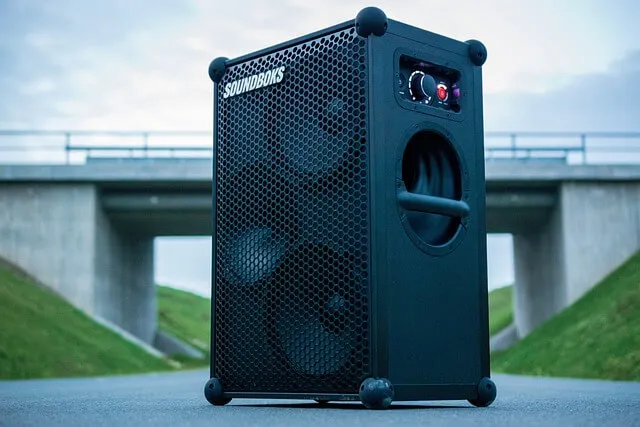
Image Source: Pixabay
Small shops can benefit just as much. Even with limited space, sound adds depth. A good setup makes a narrow store feel broader. Customers sense a rhythm. They move with it. They look longer. Sometimes, they buy more.
Installers often walk through the space first. They listen to how the room reacts. Some floors absorb, some reflect. Ceilings shape echoes. With that knowledge, they decide how to lay the system out. The best results come from speakers placed where they’re least noticed but most effective.
It’s not just about boosting sales. Sound helps with flow. It can move people from one area to another without words or signs. A shift in tone near the exit can gently guide people toward checkout. A change in tempo near a display can invite a second look.
Spacial audio solutions also support flexibility. Some stores adjust by time. Morning hours stay soft and easy. Afternoons build pace. Evenings slow down again. The changes don’t grab attention. They shape it.
The best part? When the sound feels right, customers don’t notice the system. They remember the experience. They leave feeling like the store made sense. Not just in what it sold but in how it sounded while doing it.
Shops that use sound as part of their design don’t need to shout. They guide with rhythm. They support the brand’s voice without saying a word. With the right tools, they turn space into something more than walls and products. They turn it into a place that feels alive.

Comments